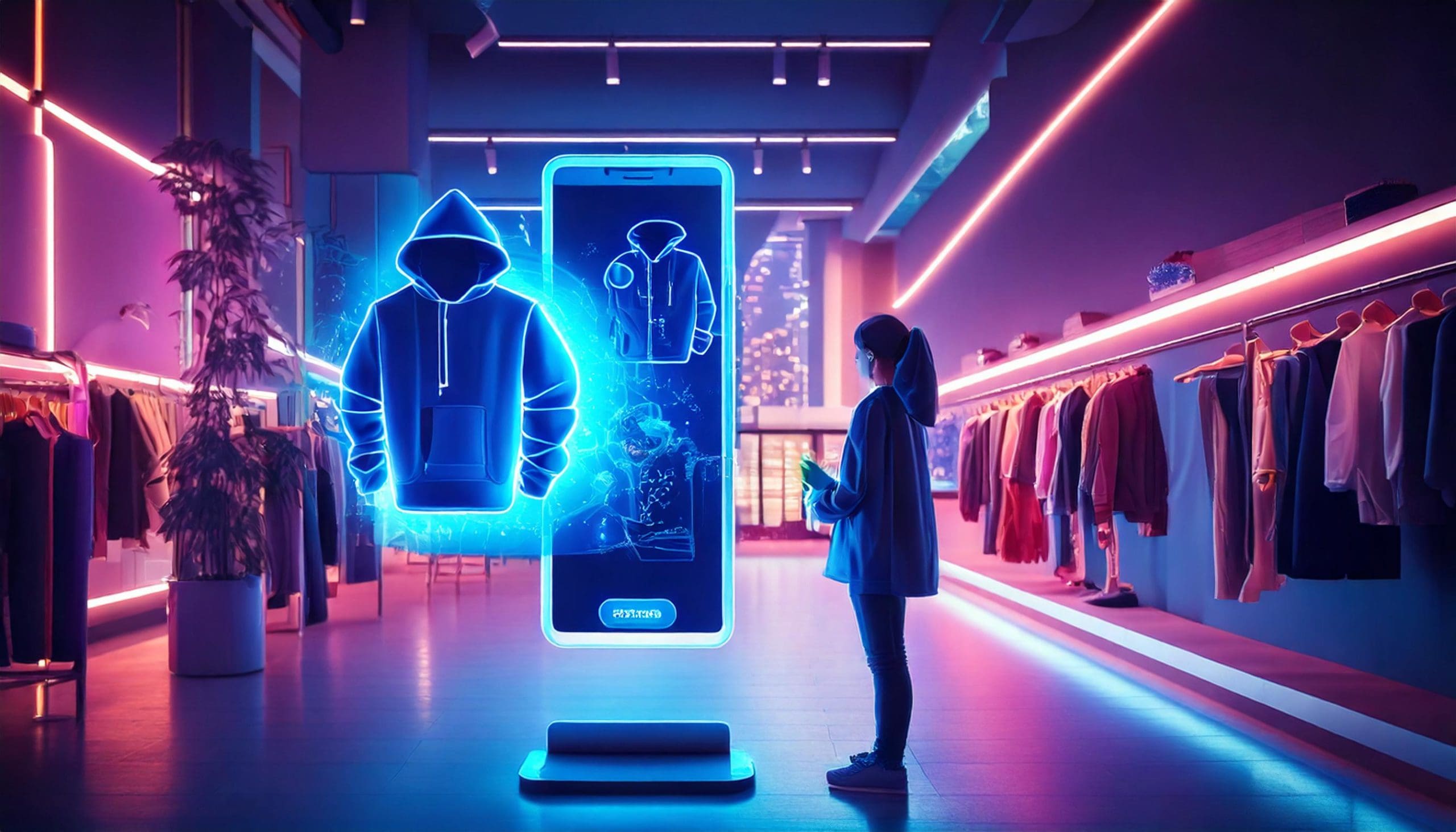
13 Expected E-commerce Trends in 2024

While presenting an excellent product is essential, it does not guarantee sales. It is critical to create a compelling shopping experience centered on your offerings. Keeping up with growing e-commerce trends in 2024 is a critical component of this experience.
Looking ahead, a slew of new e-commerce trends are expected to fuel significant development in e-commerce enterprises. We’ve identified 13 critical trends that we believe will have a significant impact on online buying and selling this year.
1. Mobile is Still the King:
The preference for mobile devices in online shopping is evident. A significant majority of consumers choose mobile over desktop or tablet. According to Statista’s Market Insights, mobile e-commerce sales reached $2.2 trillion in 2023. It now makes up 60 percent of all e-commerce sales around the world.
As mobile purchasing continues to grow, Building e-commerce sites for mobile users becomes imperative. The integration of technologies like fingerprint and facial recognition, along with one-click payments, will further streamline mobile transactions, making it the preferred method for e-commerce.
The success of mobile-centric applications like Starbucks’ Mobile Order and Pay app, which accounted for a significant portion of their orders, underscores the potential of a mobile-first strategy. This approach not only caters to consumer preferences but may also drive additional in-store traffic.
SPX, a sportswear fashion retail brand, also increased their brand revenue and order volume by means that included developing an app for mobile shopping.
Learn more: Customers: SPX
2. Livestream Shopping Experiences:
The concept of selling products through live broadcasts is now being replicated on social media platforms.
Amazon’s introduction of its livestream shopping platform, Amazon Live, followed by TikTok’s experimentation with live shopping in the U.S., is indicative of this trend. YouTube and Shopify have also expanded their live shopping collaborations.
These developments point to a more interactive and immersive future for e-commerce, moving beyond traditional product listings and descriptions.
You can totally do live commerce using a commerce platform integration instead of depending on 3rd party software. For example, check how Samsung increased its sales by 200% with Akinon live commerce: Customers: Samsung
3. Enterprise Marketplaces
Another e-commerce trend that gained popularity in 2023 and is expected to continue doing so in 2024 is enterprise marketplaces, where businesses transform their commerce platform to a marketplace model.
The marketplace model allows businesses to sell products from partners and third parties that they don’t have in their catalog, products usually complement their own products and desired by their customers.
Businesses who offer all the products the customer need in one place will increase the customer satisfaction and loyalty and attract more visits from their customers.
4. Brand Collaborations
Brands are increasingly joining forces to offer bundled products, cross-promote their offerings, and tap into each other’s customer bases. This strategy not only broadens market reach but also enhances customer value by providing complementary products and services.
For instance, a fitness apparel brand might collaborate with a sports nutrition company to offer a combined package of workout clothing and health supplements. Such partnerships can also extend to technology, where e-commerce platforms might integrate with lifestyle apps to offer a seamless shopping experience.
With Akinon’s Unified Network, it is possible to collaborate with other brands that are on Akinon platform, with just a few easy steps. This gives brands the ability to act fast and pay less as it is already available in Akinon.
5. One-click Checkout and Membership
As consumers seek more convenience and faster checkouts, e-commerce platforms are adopting technologies like one-click payments, digital wallets, and even cryptocurrency transactions.
These payment methods reduce friction in the purchasing process, thereby enhancing customer satisfaction and encouraging repeat business.
Offering customers a fast and convenient payment solution can incentivize customers to increase their loyalty to a particular brand or platform.
6. Direct Messaging as a Customer Service Tool:
A growing trend that was observed is customers increasingly reaching out through direct messages, particularly on Instagram. This reflects a broader shift in the e-commerce landscape.
In recent months, a notable 19% of consumers have opted for DMs to contact customer service, a significant increase from previous years.
What this means for online store owners is the necessity for a diverse customer service strategy encompassing various platforms. Neglecting interactions on social media channels like Instagram or Twitter could lead to missed sales opportunities and dwindling customer satisfaction.
Investing in customer relationship management (CRM) systems capable of handling interactions across different platforms is advisable. Additionally, ensuring that your customer service team is adept at professionally managing social media communications is crucial.
7. Product Videos and Particularly Short Form Videos:
Addressing consumer queries about product functionality and design is as crucial online as it is in-store. One effective way to achieve this is through high-quality product videos.
Videos offer a dynamic way to showcase products, appealing to consumers’ emotions and providing a more persuasive narrative than text alone.
The digital world has been captivated by short-form videos, with platforms like TikTok evolving into powerful marketing channels for businesses.
Using platforms like TikTok for promotion will gain a substantial value in commerce operations. Users have a knack for distinguishing between organic content and overt advertisements. The trick lies in tailoring your content to suit the platform’s trends, including popular music, effects, and video themes.
8. Evolution of Image and Voice Search:
The use of image search is becoming increasingly relevant in e-commerce. This feature allows consumers to search for products using photos, whether personal or found online, offering a convenient way to find similar items at potentially lower prices.
Several platforms have already implemented image search functions. Pinterest, for instance, allows users to find similar items within a Pin image. This capability is particularly useful for consumers who begin their shopping journey in a physical store but opt to complete their purchase online.
Additionally, The growing popularity of voice-activated devices like Amazon Echo and Google Home is making voice search an increasingly preferred method of online interaction.
The importance of optimizing your business for voice search cannot be overstated in 2024, as neglecting this could result in losing a significant portion of consumers who prefer shopping via voice-activated devices.
9. ROPO – Omnichannel Commerce is on Top:
The ROPO (Research Online, Purchase Offline) model is becoming increasingly sophisticated, aiding retailers in tracking how digital marketing efforts translate into in-store sales.
Omnichannel commerce proves its importance here in combining data from various sources, including social media, mobile tracking, and CRM systems, allowing businesses to ascertain which digital strategies are effectively driving in-store purchases. This information is invaluable for creating targeted, high-conversion campaigns and ensuring that online efforts have a tangible impact on consumer behavior.
10. Social Commerce is Ruling:
The concept of purchasing products directly through social media platforms like Instagram or TikTok is gaining traction. A substantial portion of users now trust these platforms with their commerce transactions.
This trend is transforming social media from a mere promotional tool to a full-fledged sales channel. Instagram Shops is a prime example, where businesses can set up a storefront, list products, and advertise directly within the app.
This shift heralds a new era in digital commerce, offering businesses a vast and expanding customer base.
11. Demand for Immediate Delivery:
The expectation for rapid delivery, often same-day or next-day, has become increasingly prevalent among consumers. This trend is not confined to large retail corporations.
For instance, a recent update from Etsy now allows sellers to include weekends in their processing times, effectively speeding up delivery for customers. Experiences have shown that shorter processing times on Etsy directly correlate with increased customer interest.
The desire for fast delivery is not just a preference; it’s become an expectation, with some consumers willing to pay extra for expedited services. There are many steps you can take to speed the delivery process and meet the fast delivery expectations.
One of the most important steps is streamlining your inventory management to make sure you can access all products and items everywhere. Remember that failing to offer immediate delivery may lead customers to seek alternatives that do.
12. The Integration of Augmented and Virtual Reality:
The challenge of visualizing products in a personal space, like selecting the right couch for a room, is being addressed through augmented and virtual reality technologies.
A case in point is Ikea’s AR app, which allows customers to visualize products in their own space, providing a more accurate representation of how the item would fit and look.
These technologies are set to become more prevalent in 2024, eventually becoming standard offerings for companies. The initial investment in AR and VR technologies is likely to pay off as e-commerce evolves. Consumers will gravitate towards businesses that offer these immersive preview options.
13. The Advancement of Automation, Chatbots and Machine Learning:
The widespread use of chatbots such as the model of Facebook Messenger, with its vast user base, presents an opportunity to leverage chatbots for various purposes, including marketing, customer service, and sales.
In the realm of e-commerce, this approach can be taken further. For example, Domino’s has successfully implemented a full-menu ordering system through its Messenger bot, Dom. This innovation not only streamlines the ordering process but also positions Domino’s as a responsive and forward-thinking brand.
Developing a chatbot tailored to your business needs can be a strategic move, especially as this method of ordering is still relatively novel and may become more mainstream in the near future.
Netflix’s approach of creating ‘taste communities’ based on viewing preferences rather than traditional demographics exemplifies the potential of these technologies. This personalized approach is expected to become the norm in e-commerce, with platforms using machine learning and AI to deliver content and products tailored to individual consumer interests.
Concluding Thoughts
In the current retail landscape, merely listing products online is insufficient. Stores need to provide comprehensive commerce options. They should also ensure a truly seamless experience between offline and all online channels to remain competitive. Embracing these emerging trends will enable businesses to meet their customer’s needs more effectively. Eventually, this will offer a richer and more satisfying shopping experience.